
The Basics of Batch Cooking for Healthy Meals
By Editorial Team · June 17, 2026
Introduction to Batch Cooking
Batch cooking refers to the practice of preparing large quantities of food at once, which can then be divided into portions and stored for later use. This method is especially popular among busy individuals and families who want to save time during the week while ensuring they have healthy meals readily available. By cooking in bulk, you can also reduce food waste and save money on groceries.
Benefits of Batch Cooking
One of the most significant advantages of batch cooking is the time it saves. Instead of cooking daily, you can dedicate a few hours to meal preparation, allowing you to have meals ready for several days or even weeks. This practice can help you maintain a balanced diet, as you can plan your meals ahead of time, ensuring they are nutritious and aligned with your dietary goals.
Another benefit is cost savings. By purchasing ingredients in bulk, you can often take advantage of sales, which can lead to lower grocery bills. Additionally, having meals prepared reduces the likelihood of ordering takeout or buying convenience foods, which can be more expensive and less healthy.
Getting Started with Batch Cooking
To begin batch cooking, start by selecting recipes that can be made in large quantities and freeze well. Soups, stews, casseroles, and grain-based dishes are great options. Once you have a list of recipes, plan your shopping list based on the ingredients needed. It’s essential to check your pantry for items you may already have on hand to avoid unnecessary purchases.
On your cooking day, make sure to set aside several hours without interruptions. Prepare your kitchen by organizing your workspace and gathering all necessary utensils and storage containers. Cooking multiple recipes simultaneously can help maximize efficiency. For example, while one dish is simmering, you can chop vegetables or cook grains for another.
Storing and Reheating Meals
Once your meals are cooked, allow them to cool before transferring them to storage containers. It is best to use airtight containers to preserve freshness and prevent freezer burn. Label each container with the name of the dish and the date it was prepared. Most cooked meals can be refrigerated for up to four days or frozen for several months, depending on the ingredients.
When reheating meals, ensure they are heated thoroughly and to a safe temperature. Microwaves are convenient for quick reheating, but oven or stovetop methods can enhance flavor and texture. Always check for any signs of spoilage before consuming meals that have been frozen or stored for an extended period.
Tips for Successful Batch Cooking
To make batch cooking a regular part of your routine, consider these tips:
- Start Small: If you are new to batch cooking, begin with one or two recipes to avoid feeling overwhelmed. Gradually incorporate more dishes as you become comfortable.
- Use Versatile Ingredients: Select ingredients that can be used in multiple recipes. For instance, roasted vegetables can be added to salads, grain bowls, or eaten as a side dish.
- Incorporate Variety: To prevent meal fatigue, rotate different recipes each week. This will keep your meals interesting and enjoyable.
- Prepare Snacks: Consider batch cooking healthy snacks like energy balls, granola bars, or cut vegetables with dip. These can be a convenient and nutritious addition to your meal prep.
- Involve Family or Friends: Batch cooking can be a fun activity to do with others. You can share the workload and the meals, making it a more enjoyable experience.
Conclusion
Batch cooking can be a practical solution for those looking to save time and improve their eating habits. By planning and preparing meals in advance, you can enjoy a variety of healthy options throughout the week. With a little organization and creativity, batch cooking can fit seamlessly into your lifestyle, making it easier to enjoy nutritious meals without the daily cooking hassle.
Related articles
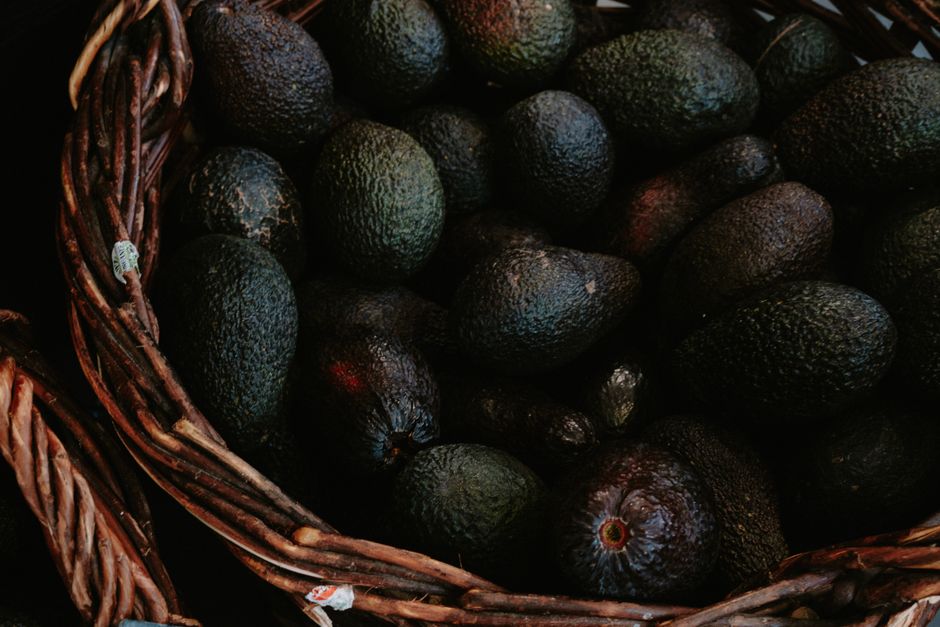
How To Tell When Avocados Are Ripe
Learn how to determine if an avocado is ripe with simple tips and techniques for selecting the perfect fruit for your dishes.
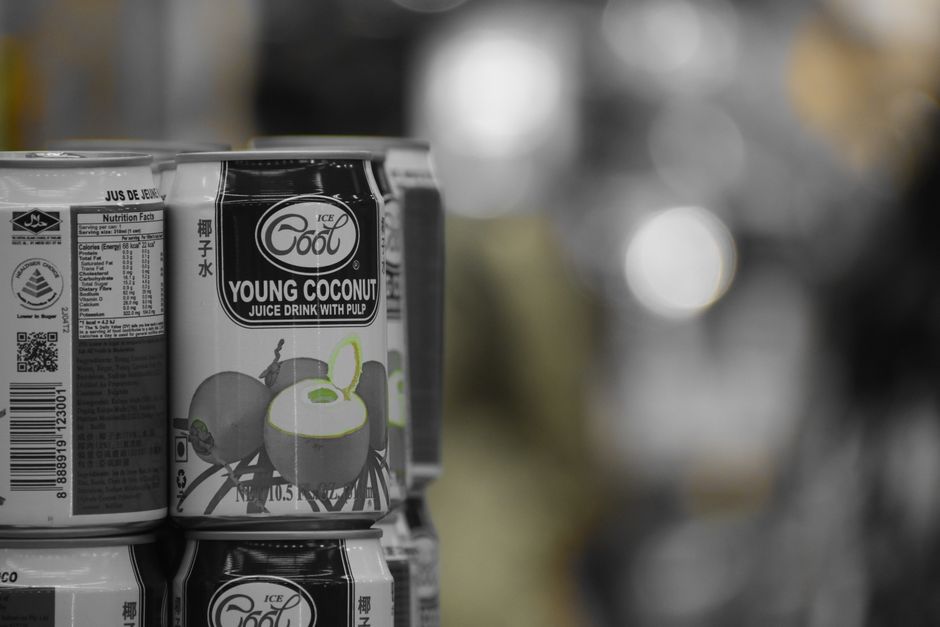
How To Read A Nutrition Label Effectively
Learn how to read nutrition labels to make informed dietary choices and understand what you are consuming with each product.