How To Tell When Avocados Are Ripe
By Editorial Team · June 17, 2026
Understanding Avocado Ripeness
Avocados are a popular fruit known for their creamy texture and rich flavor. However, determining when an avocado is ripe can be a challenge. Ripe avocados are ideal for making guacamole, adding to salads, or spreading on toast. If you pick an avocado too early, it may be hard and unpalatable. If it's overripe, it can become mushy and brown. Understanding the signs of ripeness can help you enjoy this nutritious fruit at its best.
Visual Cues
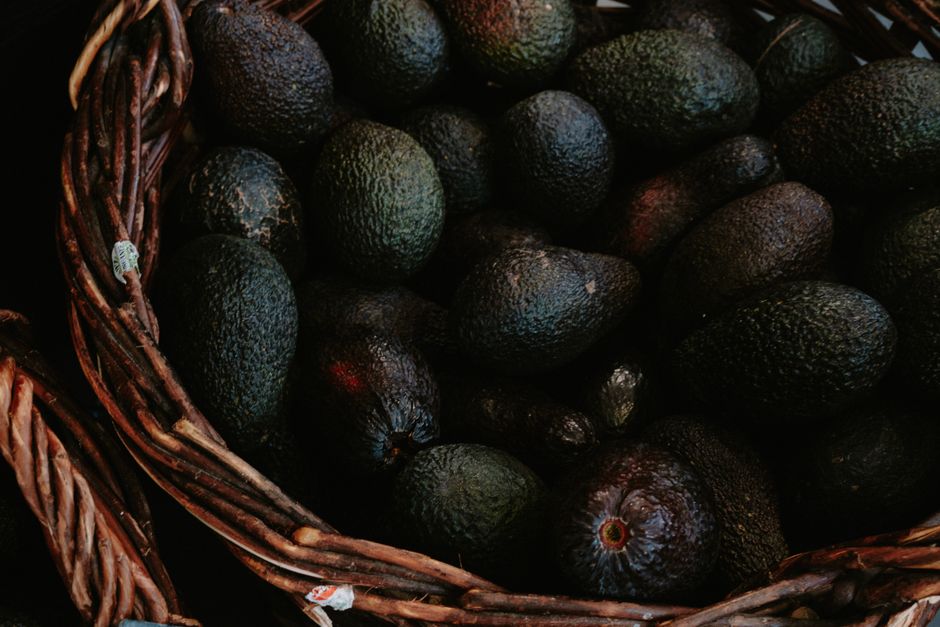
One of the simplest ways to assess an avocado's ripeness is by examining its color. Generally, ripe Hass avocados, which are the most common variety, turn from a bright green to a dark purplish-black color as they ripen. However, color can vary among different avocado types. For example, Bacon avocados remain green even when ripe. Therefore, it is essential to consider the variety you are handling.
In addition to color, look for any blemishes or indentations on the skin. A smooth and unblemished surface is often indicative of a ripe avocado. However, small dark spots can be normal. If the skin has large, sunken spots, it may indicate overripeness.
Feel the Fruit
Another effective method for checking avocado ripeness is by gently squeezing the fruit in the palm of your hand. A ripe avocado should yield slightly to gentle pressure, indicating that it is soft without being mushy. Avoid squeezing too hard, as this can cause bruising. If the avocado feels hard and does not give at all, it is likely under ripe and will need more time to mature. Conversely, if it feels overly soft or squishy, it is likely overripe and may have brown spots inside.
Check the Stem
Another useful technique for assessing avocado ripeness is to inspect the stem. If the small stem at the top of the avocado is still attached, gently flick it off. If it comes off easily and reveals green underneath, the avocado is likely ripe. If it is brown underneath, the avocado may be overripe. If the stem does not come off easily, the avocado is probably still unripe and needs more time.
Ripening Process
If you find that your avocados are not yet ripe, you can help speed up the ripening process. Place them in a paper bag at room temperature, which traps ethylene gas and encourages ripening. Adding an apple or banana to the bag can enhance this effect, as these fruits also emit ethylene gas. Check the avocados daily to monitor their progress. Once they have reached your desired level of ripeness, store them in the refrigerator to slow down further ripening.
If you have ripe avocados that you cannot use immediately, refrigeration can help extend their freshness. However, it is worth noting that refrigeration may change the texture slightly. To prevent browning after cutting an avocado, sprinkle lemon or lime juice on the exposed flesh, as the acidity can help slow down the oxidation process.
Conclusion
Knowing how to tell when avocados are ripe can enhance your culinary experiences and minimize food waste. By observing the color, feeling the texture, checking the stem, and understanding the ripening process, you can select the perfect avocado for your needs. Enjoy this versatile fruit in various dishes, from dips to salads or simply on its own.
Related articles

The Basics of Batch Cooking for Healthy Meals
Learn the fundamentals of batch cooking to save time and eat healthier. Discover tips for planning and preparing meals in advance.
How To Read A Nutrition Label Effectively
Learn how to read nutrition labels to make informed dietary choices and understand what you are consuming with each product.