What Actually Helps You Fall Asleep: Tips and Techniques
By Editorial Team · June 17, 2026
Understanding Sleep
Sleep is a vital part of human health, impacting physical and mental well-being. Many people struggle with falling asleep due to various factors such as stress, lifestyle choices, and environmental conditions. Understanding the mechanisms behind sleep can help individuals adopt habits that promote better rest.
Creating a Sleep-Conducive Environment
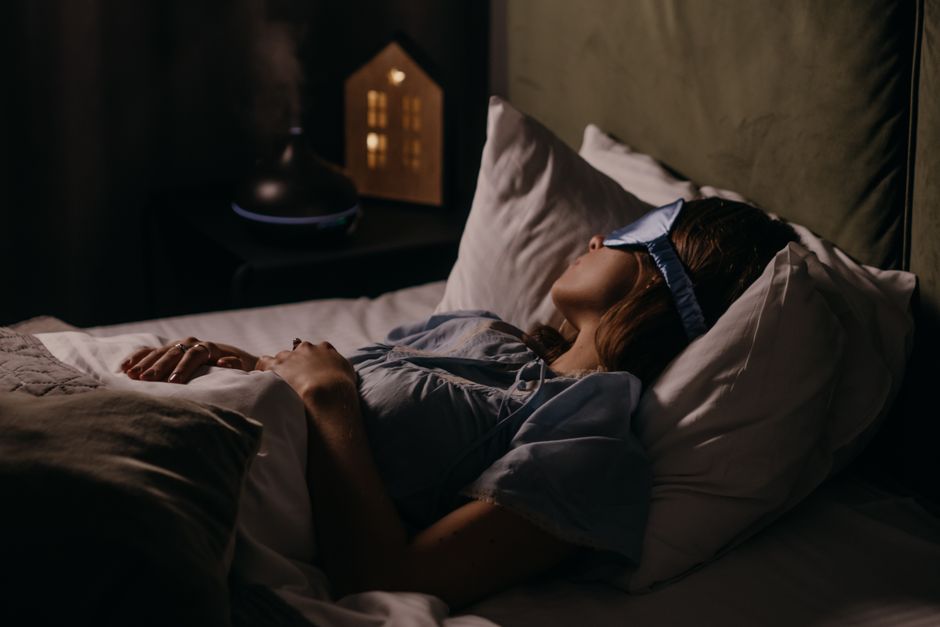
The environment in which one sleeps plays a significant role in sleep quality. A dark, quiet, and cool room can help signal the body that it is time to sleep. Blackout curtains can block outside light, while earplugs or white noise machines can minimize disturbances from sounds. The ideal temperature for sleeping is generally between 60 and 67 degrees Fahrenheit. Additionally, using comfortable bedding and pillows can enhance sleep comfort and support.
Establishing a Sleep Routine
A consistent sleep routine can train the body to recognize when it is time to sleep. Going to bed and waking up at the same time every day, even on weekends, helps regulate the body’s internal clock. Engaging in a relaxing pre-sleep ritual, such as reading or meditating, can signal the brain to wind down. Limiting screen time from electronic devices at least an hour before bed can also improve sleep quality, as the blue light emitted from screens can interfere with melatonin production.
Mindfulness and Relaxation Techniques
Practicing mindfulness and relaxation techniques can effectively ease the mind and promote sleep. Techniques such as deep breathing, progressive muscle relaxation, and visualization can reduce anxiety and help prepare the body for sleep. Mindfulness meditation involves focusing on the present moment, which can alleviate racing thoughts and stress. Incorporating these practices into a nightly routine can improve overall sleep onset and quality.
Dietary Considerations
What you eat and drink can also affect sleep. Consuming heavy meals, caffeine, and alcohol close to bedtime may disrupt sleep. Caffeine can take several hours to wear off, so it is advisable to limit consumption in the afternoon and evening. Alcohol, while it may initially promote relaxation, can lead to disrupted sleep patterns later in the night. Instead, consider a light snack containing sleep-promoting nutrients, such as bananas, almonds, or oatmeal. Herbal teas, like chamomile or valerian root, can also help induce relaxation before bed.
Physical Activity
Regular physical activity is beneficial for sleep, as it can help regulate sleep patterns and reduce anxiety. Engaging in moderate exercise during the day can help individuals fall asleep faster and enjoy deeper sleep. However, exercising too close to bedtime may have the opposite effect for some people, leading to increased energy levels and difficulty falling asleep. It is recommended to complete vigorous workouts at least three hours before bedtime for optimal results.
Conclusion
Falling asleep can be a challenge for many, but understanding the various factors that contribute to sleep quality can lead to more restful nights. By creating a conducive sleep environment, establishing a consistent routine, practicing relaxation techniques, being mindful of dietary choices, and incorporating physical activity into daily life, individuals can improve their ability to fall asleep and enhance their overall health.