Commercial Auto Insurance for Businesses
By Editorial Team · October 27, 2026
What Commercial Auto Insurance Covers
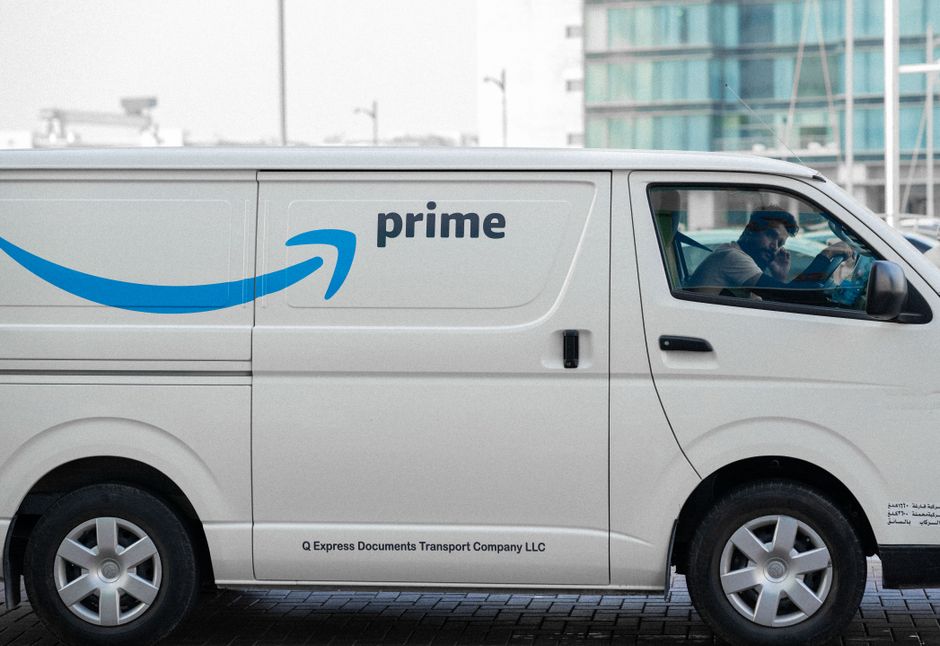
Commercial auto insurance helps protect a business when vehicles are used for work. A policy may cover cars, vans, pickup trucks, or larger vehicles owned, leased, or used by the company. Coverage can help pay for injuries, property damage, vehicle repairs, and certain legal costs after a covered accident. The exact protection depends on the policy, state requirements, and selected limits.
Most policies include liability coverage. Bodily injury liability can help pay for medical expenses and legal claims if an employee causes an accident that injures someone else. Property damage liability can help pay to repair another person’s vehicle or property. These coverages are required at minimum levels in many states, though businesses may choose higher limits to address their potential exposure.
Businesses can also add physical damage coverage for their own vehicles. Collision coverage generally applies to damage from a crash, while comprehensive coverage may apply to events such as theft, vandalism, fire, or hail. Other options can include medical payments or personal injury protection, uninsured or underinsured motorist coverage, and roadside assistance. Availability and terminology vary by state and insurer.
Which Businesses May Need It
A business may need commercial auto insurance if it owns vehicles, transports goods or equipment, makes deliveries, or sends employees to job sites. Contractors, caterers, retailers, service companies, and transportation businesses are common examples. A vehicle used regularly for business may not be adequately covered by a personal auto policy, even if it is registered to an individual rather than the company.
The distinction often depends on how the vehicle is used, who owns it, and who drives it. A worker who occasionally drives a personal car to a meeting may have different insurance needs from an employee who makes daily deliveries. Businesses should ask their insurer how coverage applies when employees use personal vehicles for work. A hired and non-owned auto policy or endorsement may provide liability protection for certain business use of vehicles the company does not own, but it typically does not insure those vehicles for physical damage.
Employers should also review who is allowed to drive company vehicles. Insurers may consider driver records, age, experience, and driving history when deciding whether to offer coverage and at what price. Clear rules for vehicle use, regular license checks, and documented safety practices can help manage risk.
How Premiums Are Determined
Commercial auto premiums depend on several factors. Insurers may look at the number and type of vehicles, how far and how often they are driven, where they are kept, and the work they perform. A heavy truck used for long-distance hauling generally presents different risks from a small car used for local appointments. The business’s claims history, drivers’ records, coverage limits, deductibles, and selected options also affect the price.
Accurate information matters when applying for a policy. Businesses should describe vehicle use honestly, list regular drivers, and update the insurer when vehicles or operations change. If a company expands its delivery area or begins carrying different materials, its existing policy may no longer reflect its exposure. Reporting changes promptly can help avoid coverage disputes and gaps.
Choosing and Managing a Policy
When comparing policies, look beyond the premium. Review liability limits, deductibles, covered vehicles, exclusions, and how claims are handled. Check whether coverage applies across state lines if employees travel, and ask about restrictions on drivers, vehicle use, or cargo. A lower price may come with higher out-of-pocket costs or narrower protection, so compare similar coverage levels when requesting quotes.
Businesses should also consider the value and financing status of their vehicles. A lender or leasing company may require physical damage coverage. For older vehicles with low market value, the cost of that coverage may be less worthwhile, depending on the business’s ability to pay for repairs or replacement. An insurance professional can explain options, but the business remains responsible for confirming that the policy matches its needs.
After buying coverage, keep a current vehicle list and store proof of insurance where drivers can access it. Review the policy at renewal and after major changes, such as hiring new drivers, adding vehicles, or changing how vehicles are used. A written vehicle safety program, routine maintenance, and training for employees can reduce preventable incidents and support more consistent risk management.
Commercial auto insurance is not a substitute for safe driving or careful operations. It is one part of a broader plan to protect employees, customers, vehicles, and the business’s finances. Reviewing coverage regularly can help keep that plan aligned with the work being done.
Related articles

Gold IRA Rules, Costs, and Eligible Assets
Learn how gold IRA rules work, which precious metals may qualify, what fees to expect, and how storage and distributions affect retirement accounts

Understanding No Credit Check Loans: Costs and Alternatives
Explore the costs associated with no credit check loans and discover viable alternatives to meet your financial needs.
Comparing Auto Insurance Quotes to Save Money
Learn how to compare auto insurance quotes effectively to find the best coverage and save money on your premiums.